Long hours are part and parcel of the construction industry, but the scale of overtime many workers face is concerning. A significant proportion of construction workers are clocking far beyond standard working hours each month. According to a 2017 Work Fatigue Study in Singapore, many are exceeding what would typically be considered a safe or legal overtime threshold, sometimes going well beyond 72 extra hours monthly. This kind of schedule leaves very little room for proper rest and recovery.
On a daily basis, this often translates to shifts that stretch to eleven hours or more. When you add travel time on top of that, the day becomes even longer. For workers who already operate heavy machinery, handle tools, or work at height, this level of fatigue is not just uncomfortable, it can be dangerous. Reducing commute fatigue, therefore, isn’t a luxury. It’s a necessary step towards improving safety, health, and overall productivity.
Why Commute Fatigue Matters More Than You Think
When people think about construction safety, they usually focus on helmets, harnesses, and site regulations. While these are critical, what happens before a worker even steps onto the site is just as important.
Long, uncomfortable, or unpredictable commutes can drain energy before the workday even begins. Workers who wake up early to catch multiple modes of transport, or who endure long rides in cramped conditions, often arrive already tired. After a full day’s work, the journey home can feel even more exhausting.
Fatigue affects:
- Reaction time
- Decision-making ability
- Physical coordination
- Awareness of surroundings
In a high-risk environment like construction, even a small lapse in focus can lead to serious accidents. Reducing fatigue during commuting is one of the simplest ways to improve overall site safety.
The Reality in Singapore’s Construction Sector
Singapore’s construction workforce is unique. Many workers live in dormitories located some distance away from their worksites. Depending on the project location, whether it’s in the city centre, Tuas, or further out, daily travel can take a significant amount of time.
Early reporting times also mean workers often begin their day before sunrise. Combined with long working hours, this creates a cycle where rest is constantly compromised.
Transport arrangements play a major role here. When transport is poorly planned, workers may face:
- Long waiting times
- Overcrowded vehicles
- Multiple transfers
- Inconsistent pick-up schedules
All of these contribute to unnecessary fatigue.
Smarter Transport, Safer Workers
One practical way to tackle commute fatigue is by improving how workers are transported to and from worksites. Instead of relying on ad hoc arrangements, companies are increasingly looking at structured transport solutions.
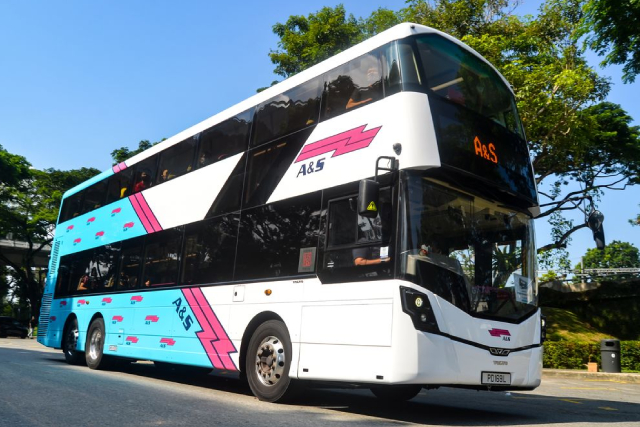
This is where bus charter in Singapore becomes highly relevant. Organised transport services provide a more predictable and comfortable commuting experience. Workers are picked up and dropped off at designated points, reducing uncertainty and stress.
A well-planned transport system can:
- Shorten travel times through optimised routes
- Ensure consistent schedules
- Provide proper seating and ventilation
- Reduce overcrowding
These small improvements add up. Workers arrive less tired, more focused, and better prepared for the day ahead.
Comfort Isn’t a Luxury — It’s a Safety Measure
It’s easy to underestimate the importance of comfort during transport. However, the physical condition of workers upon arrival has a direct impact on their performance.
Simple factors such as:
- Adequate seating
- Air-conditioned environments
- Smooth rides
- Sufficient space
can make a big difference.
Compare this to standing in a packed vehicle or sitting in uncomfortable conditions for extended periods. Over time, this leads to physical strain and mental exhaustion.
Providing comfortable transport sends a clear message: worker wellbeing matters. And when workers feel valued, they are more likely to stay engaged and attentive on the job.
Reducing Administrative Burden for Employers
From an employer’s perspective, managing worker transport can be complex. Coordinating multiple vehicles, routes, and timings takes time and effort.
Structured transport solutions simplify this process. Instead of juggling different arrangements, companies can rely on a single system that handles logistics efficiently.
This not only improves worker experience but also reduces:
- Scheduling conflicts
- Delays
- Miscommunication
It’s a practical way to improve operations without adding unnecessary workload.
A Better Alternative to Traditional Transport Methods
Some companies still rely on basic or outdated transport arrangements, such as using lorries to ferry workers. While this may seem cost-effective at first glance, it often falls short in terms of comfort and safety.
Modern transport solutions are designed with both efficiency and worker wellbeing in mind. In many cases, they also beat leasing staff lorries in terms of reliability and overall experience.
The shift towards better transport options reflects a broader understanding of workplace safety, one that extends beyond the construction site itself.
Supporting Long-Term Worker Wellbeing
Fatigue isn’t just a short-term issue. Over time, chronic tiredness can lead to:
- Increased risk of injuries
- Lower productivity
- Higher absenteeism
- Long-term health problems
By improving commute conditions, companies can help break this cycle. Workers who are better rested are more alert, more productive, and less likely to make mistakes.
This creates a safer working environment for everyone.
Practical Steps Companies Can Take
Improving commute conditions doesn’t require a complete overhaul. Even small changes can make a meaningful difference.
Some practical steps include:
- Reviewing current transport routes and timings
- Reducing unnecessary travel time where possible
- Ensuring vehicles are not overcrowded
- Providing consistent pick-up and drop-off schedules
- Partnering with reliable transport providers
Listening to worker feedback is also key. They are the ones experiencing the commute daily and can offer valuable insights into what works and what doesn’t.
A Shared Responsibility
Reducing commute fatigue is not just the responsibility of one party. It requires cooperation between employers, transport providers, and even workers themselves.
Employers can invest in better systems. Transport providers can deliver reliable and comfortable services. Workers can communicate their needs and concerns.
When everyone plays a part, the result is a safer, more sustainable working environment.
Conclusion: Prioritise Safety Beyond the Worksite
Construction safety doesn’t begin at the site gate, it starts the moment a worker leaves their accommodation. Long hours and demanding work are already part of the job. The least that can be done is to ensure the journey to and from work does not add unnecessary strain.
Reducing commute fatigue is one of the most practical ways to improve safety, morale, and productivity. It’s a simple shift that can have a lasting impact on both workers and businesses.
If you’re looking to create a safer and more efficient transport system for your team, consider working with a trusted provider like A&S Transit. A reliable commute is more than just convenience, it’s a step towards protecting your workforce every single day.